Quick answers
What's the difference between hardscape and softscape?
Hardscape is the built part of a yard, like patios and walkways. Softscape is the living part, like grass, trees, and garden beds. Both matter, and a good plan helps them work together.
What each term means
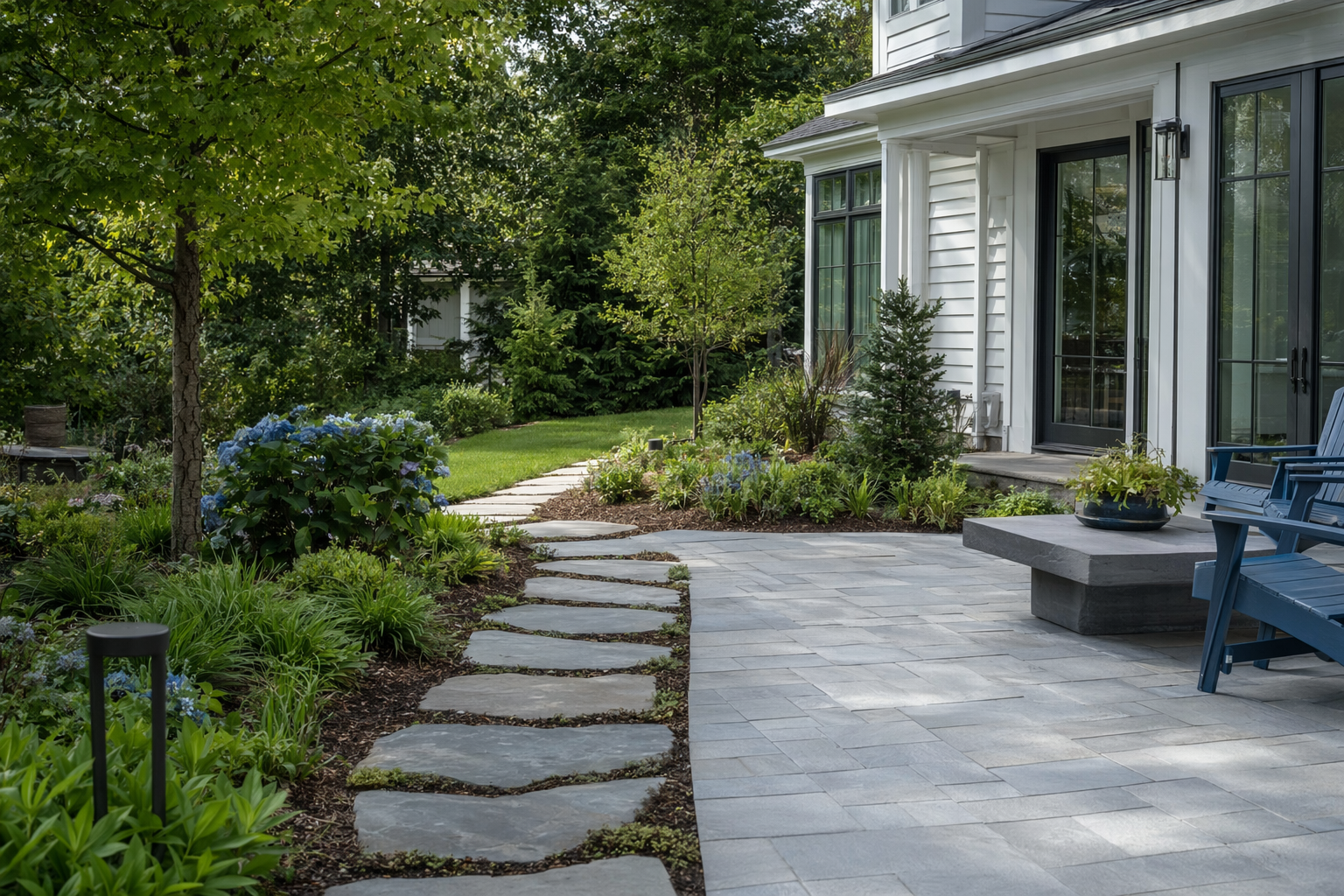
Hardscape means the non-living features you build into a yard. Common examples are patios, steps, retaining walls, driveways, paths, fire pits, and other fixed surfaces. These features give the yard shape and make it easier to use.
Softscape means the living or changeable parts. That includes lawn, flowers, shrubs, trees, mulch, and soil improvements. Softscape can soften the look of a yard and help it feel more green, shaded, and comfortable.
A simple way to remember it: hardscape is the structure, and softscape is the plant life. Most yards need some of both.
Why the balance matters
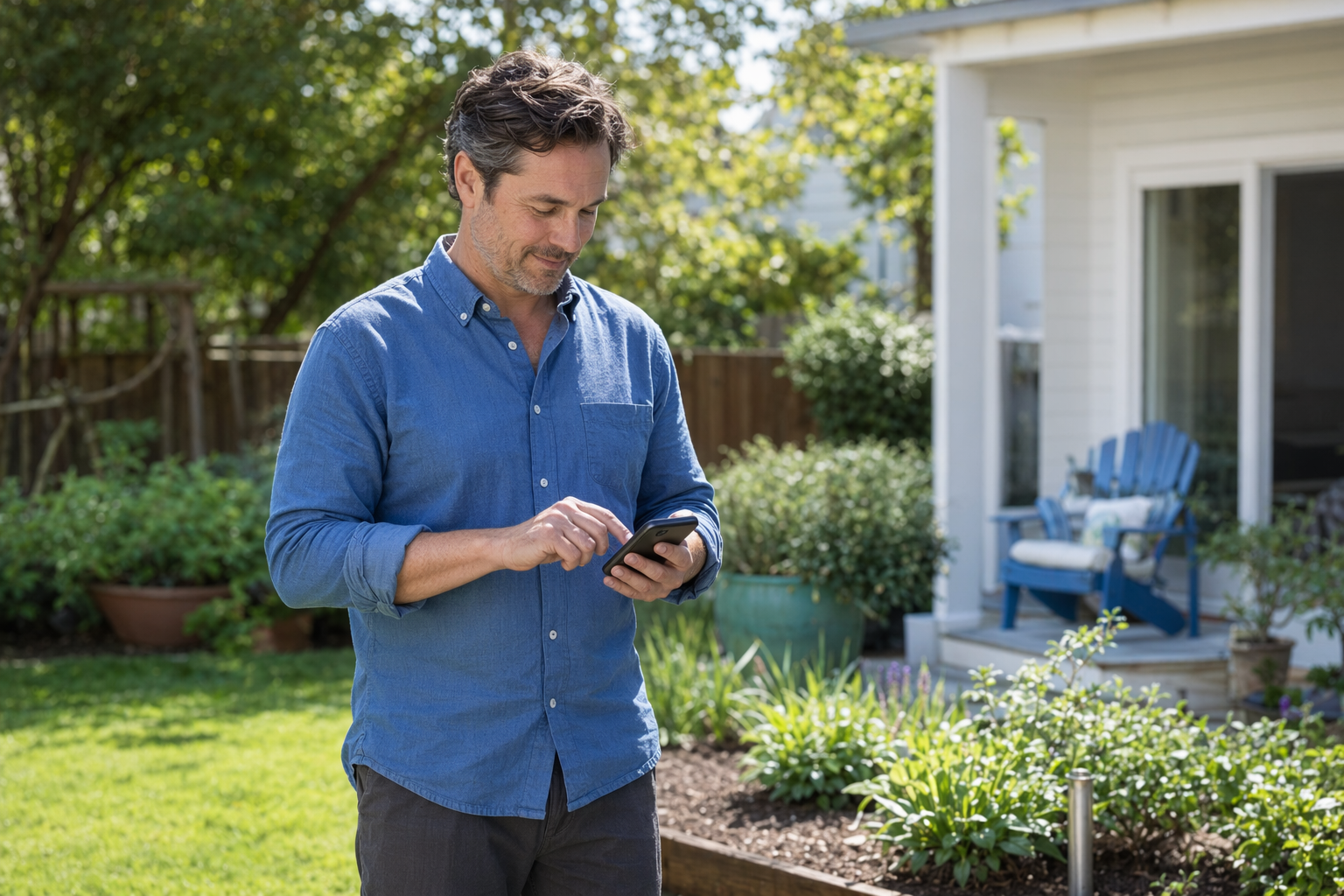
Hardscape and softscape affect how a yard looks, feels, and functions. Too much hardscape can make a space feel hot or plain. Too much softscape, without good paths or seating areas, can make the yard hard to use.
The right mix depends on how you want to use the space. For example, a family yard may need a patio, a safe path, and a lawn area for play. A small front yard may work better with a simple walkway, a few plants, and low-maintenance beds.
Climate, soil, sun, and local rules also matter. What works in one part of the US may not work the same way in another. A landscape design-build pro can help you think through those tradeoffs at a high level.
How hardscape and softscape affect cost and upkeep
Hardscape often costs more up front because it uses materials, labor, and construction. It may also need more planning, especially if the work involves slopes, drainage, or changes to the ground. Drainage means where water goes after rain or watering.
Softscape can cost less at the start, but it needs ongoing care. Plants may need watering, pruning, mulch, seasonal cleanup, and replacement over time. Drip irrigation, which is a slow watering system that sends water near plant roots, can help reduce waste in some yards.
Neither one is automatically better. Many homeowners choose a mix based on budget, maintenance comfort, and how they use the space. For a general cost overview, see yard project costs.
Questions to ask before you start
Before any work begins, ask the pro to explain the design in plain words. Ask what is hardscape, what is softscape, and why each part is included. If the plan includes grading, ask how the ground will slope so water moves away from the home. Grading means shaping the soil level and slope.
Also ask about materials, maintenance, and what happens if the plan changes. Make sure the design, scope, and price are written down before work starts. That helps avoid surprises later.
You should also verify license and insurance yourself, check local permit rules, and confirm utility-locate steps before digging. Utility-locates are the markings that show where buried lines may be. These steps matter for safety and vary by area.
How Verdorra can help
If you are still figuring out what your yard needs, we can help you find a landscape design-build pro who can talk through your goals. Design-build means one company or team helps with both the design and the construction plan.
Verdorra is free for homeowners. We are not a landscaper, contractor, or design firm, and we do not do the work ourselves. We help you find a pro and point you to useful next steps.
You can start with how it works, see our services, or get started at get matched.
A simple example
Imagine a backyard with a stone patio, a short path, and a few garden beds. The patio and path are hardscape. The plants, mulch, and lawn are softscape.
If the yard gets very hot in summer, the plan might need more shade from trees or shrubs. If rain tends to pool in one area, the plan may need better drainage and a different layout. A pro can help you think through these issues, but you should always confirm the final plan in writing and make sure it fits your local rules.
Hardscape is the built part of a yard, softscape is the living part, and Verdorra can help you find a pro to plan both.