What we plan
New lawns and turf: seed, sod, and low-water options
Thinking about a new lawn or turf? Learn the differences between seeding and sodding, plus low-water and native options, and how to plan prep and care—then we help you find a landscape design-build pro to guide you.
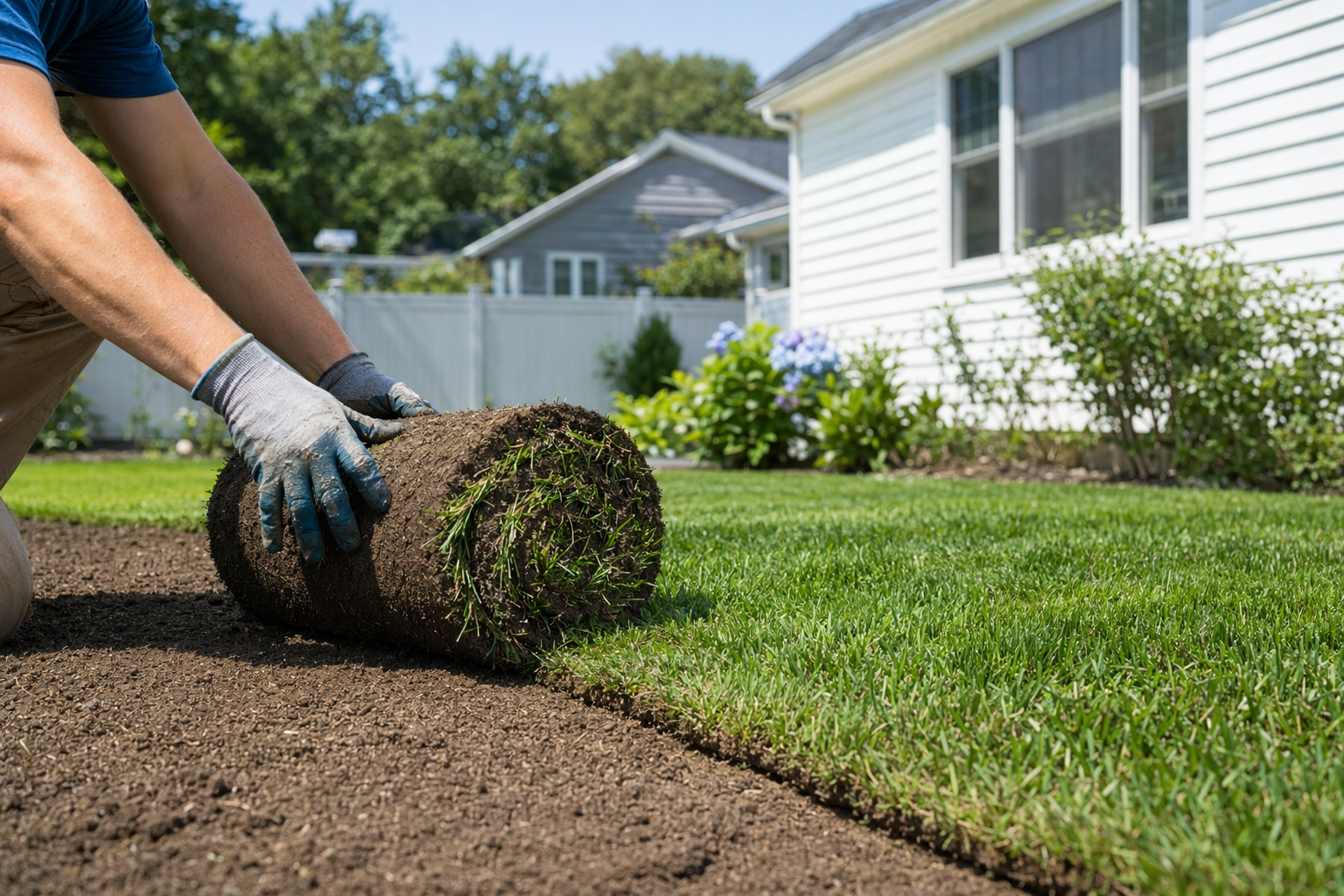
Seed vs. sod: what’s the difference?
Seed is living grass started from seed. You spread seed over prepared soil (or sometimes a seed mix for your region), then water it while it germinates and grows in.
Sod is grass already grown and harvested in rolls or squares. It’s installed over prepared ground and starts rooting into the soil right away, so you usually see coverage faster than with seed.
Neither option is automatically “better.” The best choice depends on your climate and sunlight, soil condition, how quickly you want coverage, how much maintenance you can do, and whether your yard needs improvements before planting. If you’re planning a full lawn reset, it helps to discuss the full scope—site prep, soil amendments, irrigation (if any), and maintenance—so you’re comparing apples to apples.
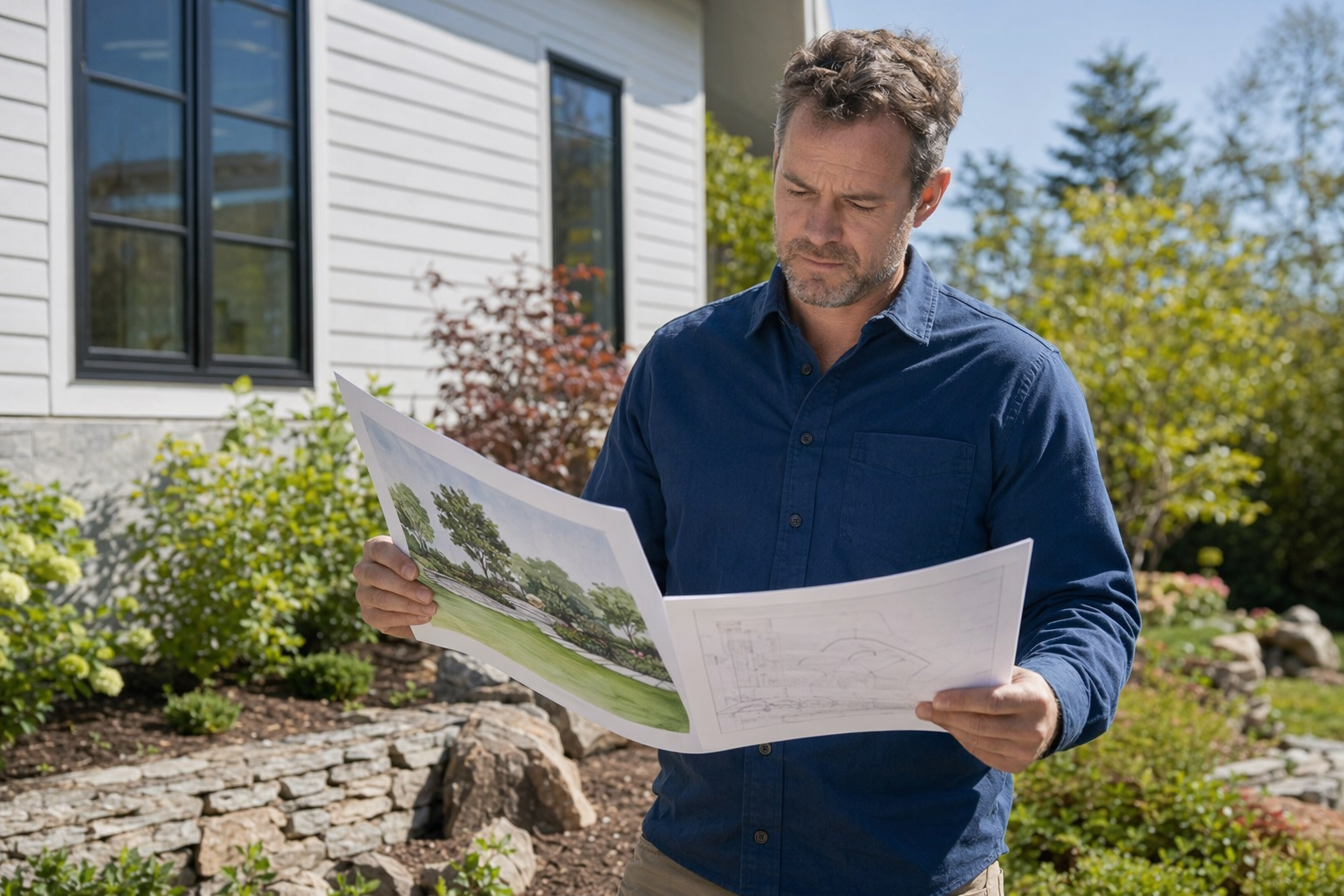
What affects cost (and why you’ll see different ranges)
Homeowners often ask about “cost ranges,” and it’s reasonable to want an estimate. But lawn costs vary a lot because lawns aren’t just grass—they include site access, soil condition, and the level of prep needed.
Common cost drivers include the size of the lawn area, whether you’re replacing existing turf, ground preparation needs (grading, removing old material), delivery and install access (slopes, narrow gates, distance), and whether irrigation improvements are part of the project.
If irrigation upgrades are needed, costs can also depend on how your yard is laid out and what your local water rules allow. For helpful budgeting basics, see lawn project costs.
Low-water lawn options: turf that fits drier climates
If you want a greener look while using less water, start by matching the grass (or alternative) to your region. “Low-water” isn’t one product—it’s a goal, based on species and the way the lawn is managed.
Low-water approaches can include warm-season grasses (often suited to hotter climates), drought-tolerant mixes, and sometimes alternative groundcovers where a full lawn isn’t necessary. Many areas also have local water-wise requirements, so it’s smart to check your city or county rules before you choose.
A landscape design-build pro can help you compare options for your yard and sun exposure. We can help you find a pro who works in your area—start with get matched.
Native and water-wise alternatives (when “not a full lawn” makes sense)
Some yards do better with a smaller lawn footprint and more native or water-wise planting in the rest of the space. This can reduce maintenance and help with water conservation, especially if your yard gets hot sun or has dry, rocky soil.
Native plants can also support local wildlife and often fit regional growing conditions. But “native” still means site-specific: soil type, drainage, sun, and maintenance needs all matter.
If your goal is curb appeal, comfort, and usability (not just grass coverage), consider discussing a mixed plan: a smaller turf area where you’ll actually use it, plus planting beds and pathways elsewhere. You can explore our general guidance on how landscape projects work and then talk it through with a pro.
Prep and care: the steps that make the biggest difference
For both seeding and sodding, site preparation is often the difference between a smooth start and repeated struggles. Prep can include removing old turf, loosening and leveling the soil (grading), addressing compacted areas, and adding soil amendments where appropriate.
If your yard needs drainage improvements, that’s a design and site issue. “Drainage” means how water moves through and away from the property. It’s not something to guess about, especially near foundations, sidewalks, or utility lines. A qualified pro can evaluate the situation and recommend appropriate solutions.
After installation, care matters. Seeding usually needs consistent moisture during germination, then gradual watering as roots grow. Sod needs time to root into the soil. Either way, you’ll want a clear written maintenance plan: watering schedule guidance (not just “water daily”), mowing height, fertilizing approach if recommended, and how long to avoid heavy traffic on new turf.
How to work with a lawn pro (and avoid common surprises)
When you talk to a landscape design-build pro, ask what’s included in the scope. For example: Is the project only turf installation, or does it also include demolition/removal of old turf, soil prep, soil amendments, grading adjustments, and irrigation changes?
Request details on product choices and timing: what seed mix or turf type they plan to use, how they’ll match it to your sun and soil conditions, and what care steps you’ll follow. Be careful with vague promises. You want a plan you can understand—not just a result statement.
Before any work starts, verify that the pro is properly licensed and insured for your area, confirm local permits if required, and use utility-locate services before digging. And always confirm the design, scope, and price IN WRITING. If you want help finding a pro to discuss your options, visit services and start the process at get matched.
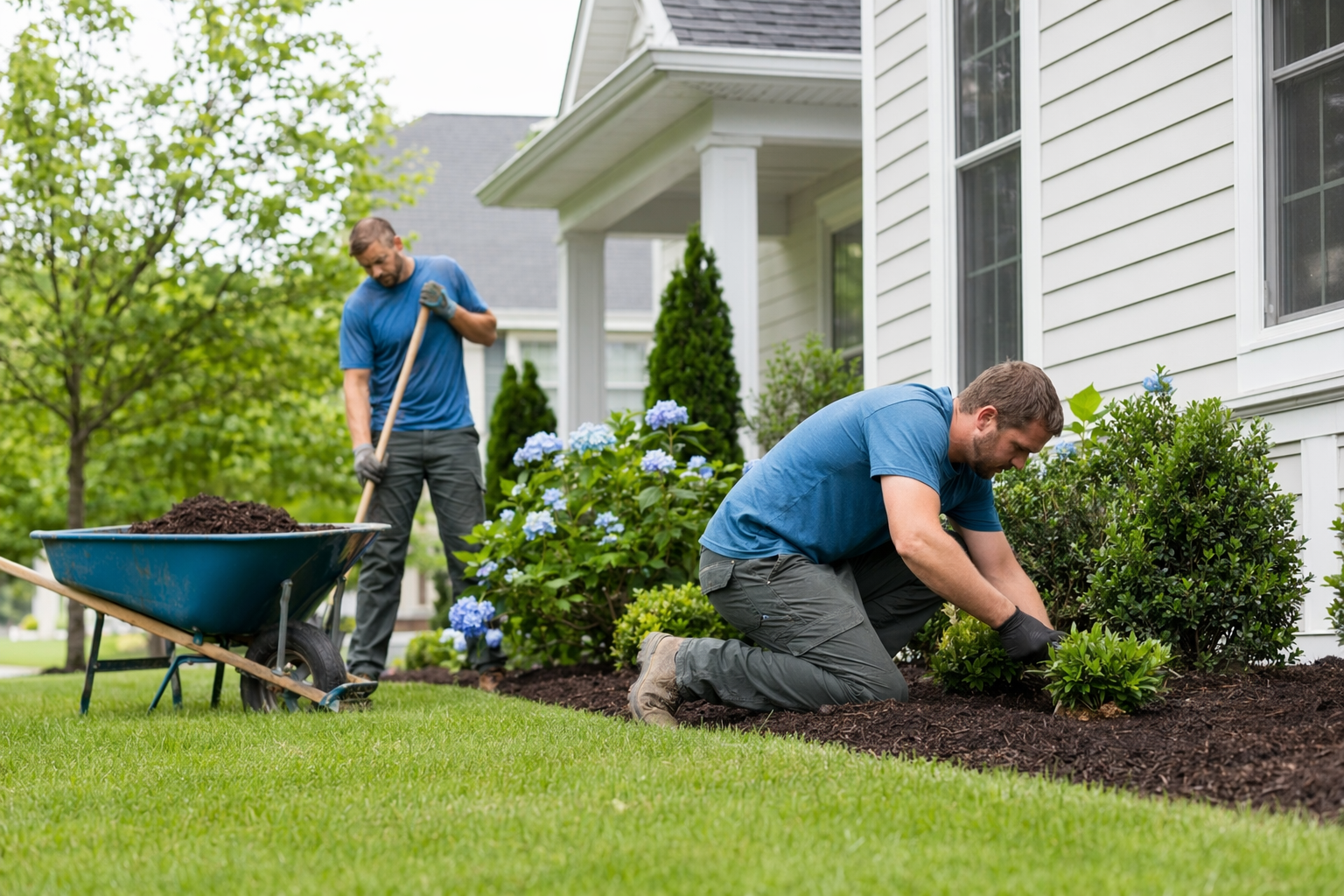
Compare seed, sod, and low-water turf options, plan careful prep and care, and use Verdorra to help you find a qualified landscape design-build pro to discuss your yard.