What we plan
Planting and garden beds: choosing and placing plants that last
Planting and garden beds can make a yard feel alive, soft, and welcoming. We help you find a landscape pro who can plan beds around your sun, soil, space, and style, then turn that plan into a clear scope of work.
What planting and garden beds usually include
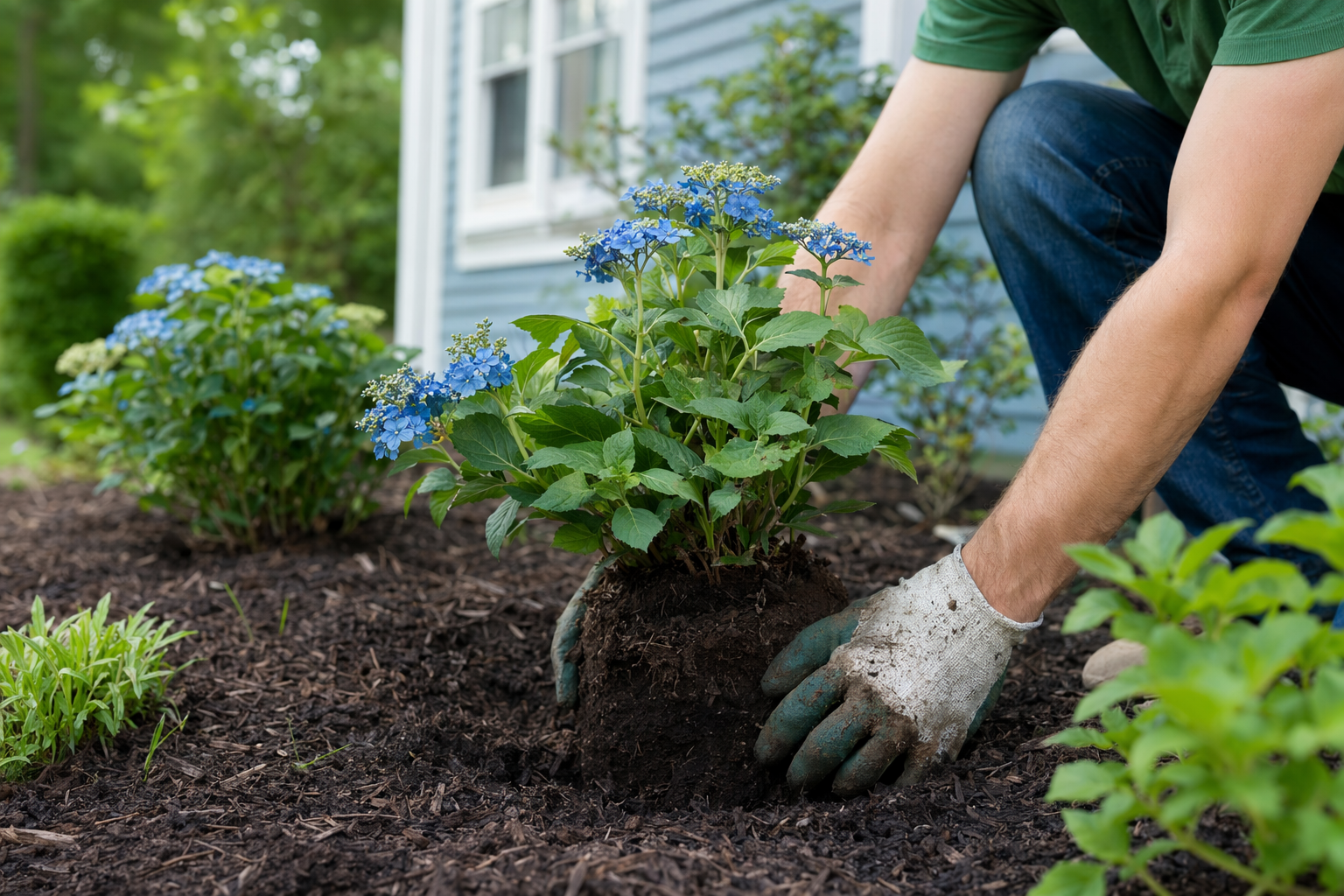
Planting and garden beds are the parts of a yard where flowers, shrubs, grasses, and small trees are arranged together. A good plan is not just about picking pretty plants. It also considers where the sun hits, how water moves, how much space roots need, and how the bed will look in different seasons.
A landscape design-build pro can help with the layout of the bed, plant spacing, mulch, edging, and sometimes simple irrigation like drip irrigation. Drip irrigation means water is delivered slowly near the roots, which can help reduce waste. The pro may also suggest hardscape vs. softscape choices. Hardscape means nonliving parts like edging, paths, or retaining features. Softscape means living parts like plants, turf, and groundcover.
- Think about sun, shade, wind, and how you use the yard.
- Ask which plants are best for your region, soil, and watering habits.
Why plant choice matters more than plant size
A plant that looks great at the store may not do well in your yard if the light, soil, or water needs do not match. Native plants are plants that naturally grow in your region. They can be a practical choice because they are often better suited to local climate and rainfall, but they still need the right placement and care.
Spacing also matters. If plants are too close, they can crowd each other, block airflow, or grow into walkways and windows. If they are too far apart, a bed can look thin for years. A pro can help you balance the look you want with the mature size of the plants, not just the size they are on day one.
- Ask how big each plant may get in 2, 5, and 10 years.
- Make sure the plan fits your maintenance level, not just your style.
Soil, drainage, and bed preparation
Healthy planting beds start below the surface. Soil is the ground your plants grow in. Different yards have different soil types, such as sandy, clay, or loamy soil. That changes how well water moves and how roots grow. A planting pro can help you understand the basics and may recommend improving the bed with compost, mulch, or better grading.
Grading means shaping the ground so water flows away from the home and does not pool where it should not. Drainage means how water moves and leaves the yard. If water tends to collect in a bed, the design may need to change before planting. We do not provide drainage or engineering advice, but we can help you find a pro who can look at the planting plan as part of the bigger yard design.
- Check whether the bed needs soil improvement before planting.
- If water pools near the house, ask about the issue early in the process.
What a design-build pro can help you plan
A design-build pro is a company that can both design the planting plan and build the project. That can make it easier to move from ideas to finished beds, because one team is handling the plan and the installation. We are not a design firm or contractor, but we can connect you with a landscape pro who works this way.
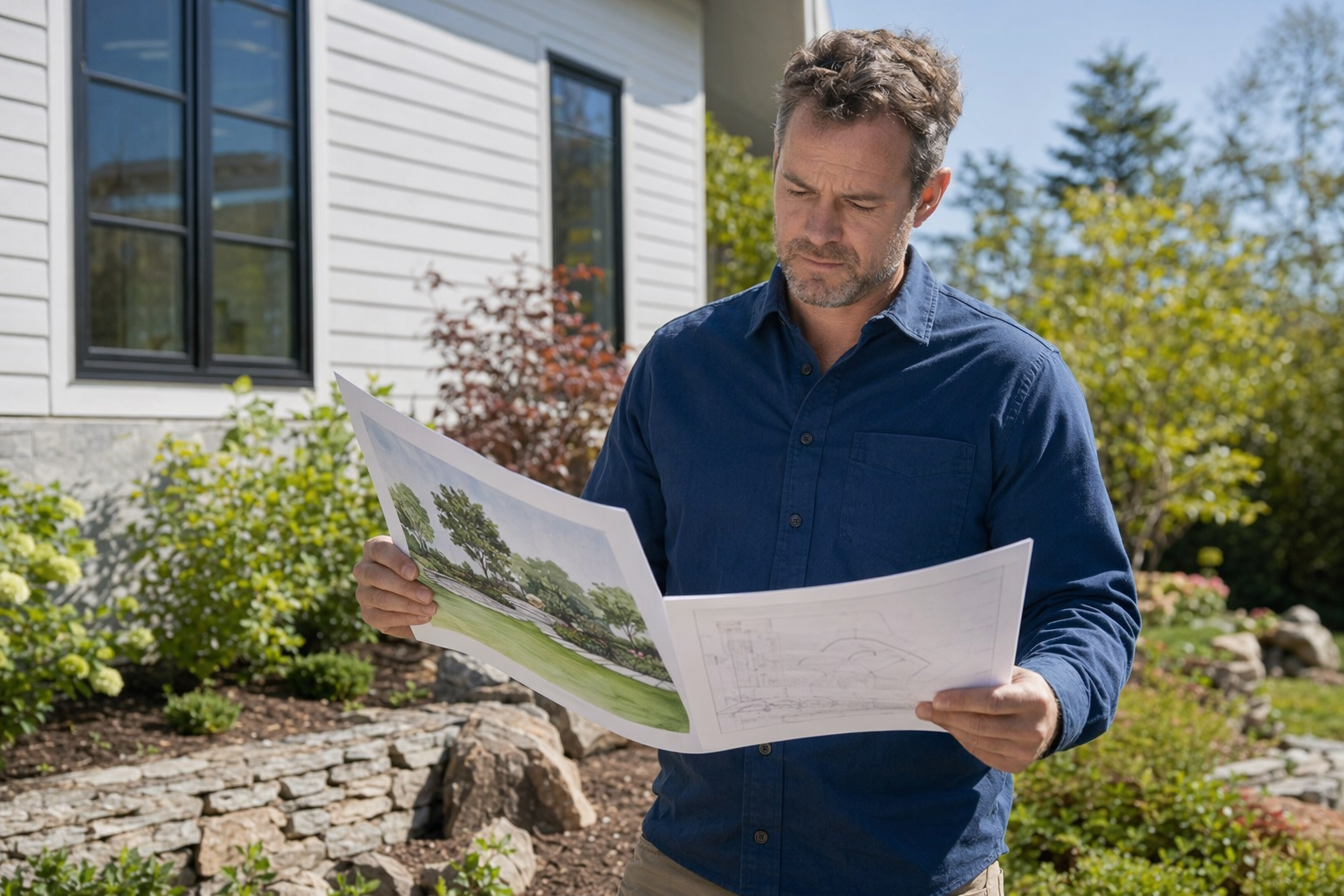
A clear planting plan may include plant names, quantities, sizes, bed edges, mulch type, watering notes, and a simple care plan for the first season. It should also show what is included and what is not. Before work starts, confirm the design, scope, and price in writing. Also verify license and insurance yourself, and check local permits and utility-locate rules if digging is involved.
- Ask for the plant list in writing before you agree to the work.
- Keep copies of drawings, scope notes, and final price terms.
Costs, timing, and seasonal care
Planting and garden bed costs vary a lot by yard size, plant selection, soil work, access, and your region. A small bed with basic plants can be very different from a full front-yard redesign with bed prep, irrigation changes, and larger shrubs. Any cost range you see should be treated as a general guide, not a quote.
Timing also depends on weather and season. In many places, spring and fall are popular planting windows, but local climate matters. A pro can help you think through when to plant, how often to water at the start, and what care is needed in the first weeks and months. No one can promise plant survival, so it helps to ask for realistic care steps and follow-up expectations.
- Compare a few plant options, not just one "perfect" choice.
- Ask what first-season care is expected from you after installation.
How Verdorra helps you get started
If you are not sure where to begin, we help you find a landscape pro who can talk through your yard in plain language. That is especially helpful if English is not your first language or if you want a calmer, easier way to start the process.
You can use how it works to see the steps, get matched to share your project, or browse services to compare other yard project types. Matching is free for homeowners. Participating pros pay a flat fee, and we do not do the landscaping work ourselves.
- Bring photos of the yard, sun/shade notes, and any plants you want to keep.
- Ask the pro to explain every term you do not understand.
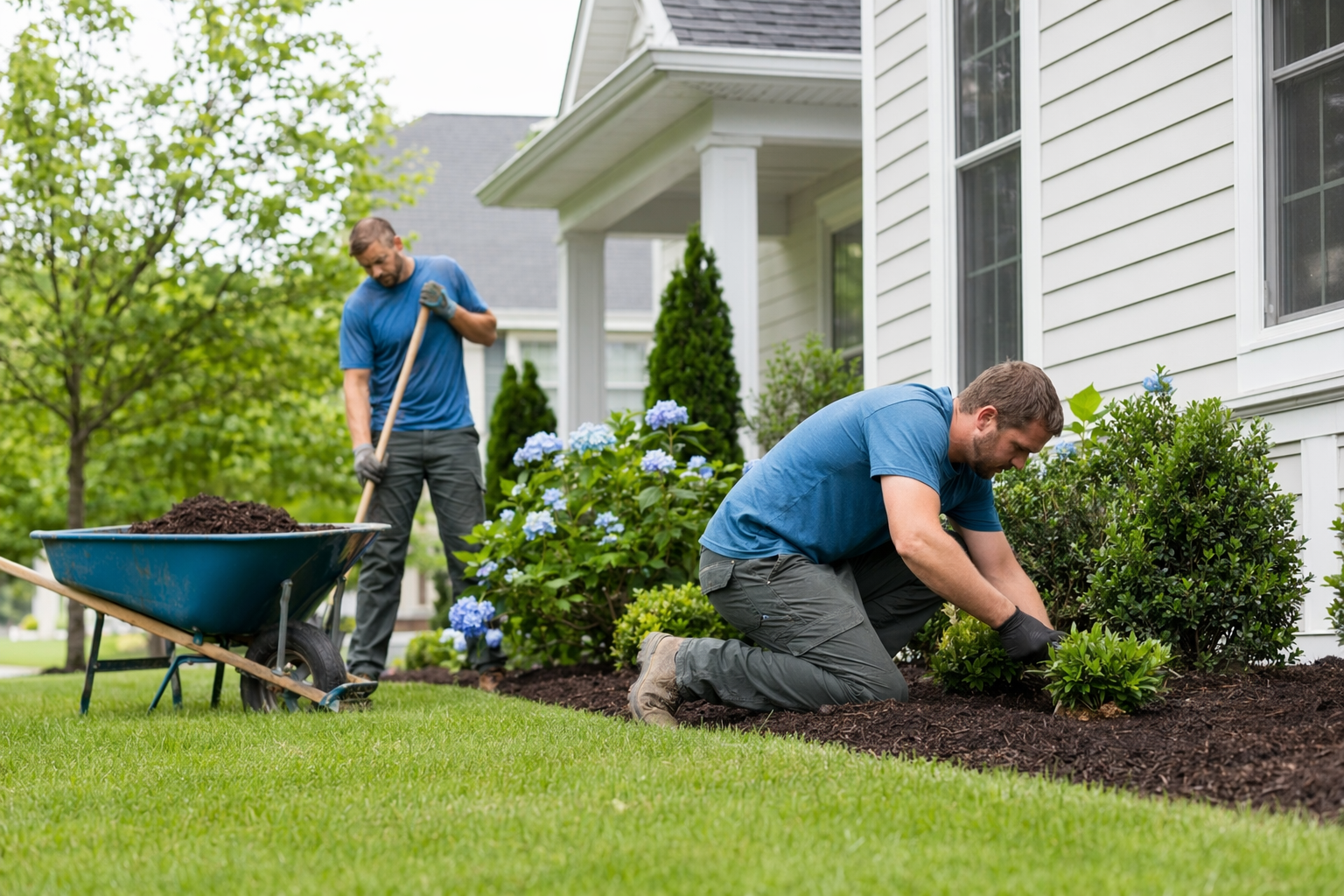
We help you find a landscape pro who can plan and install planting beds that fit your yard, your climate, and your budget, with clear written details before work starts.