Garden guides
How to choose plants for your yard
Choosing the right plants can make your yard look great and feel easier to maintain. This guide explains how to pick plants that fit your sunlight, soil, and climate—and how to get help from a landscape design-build pro.
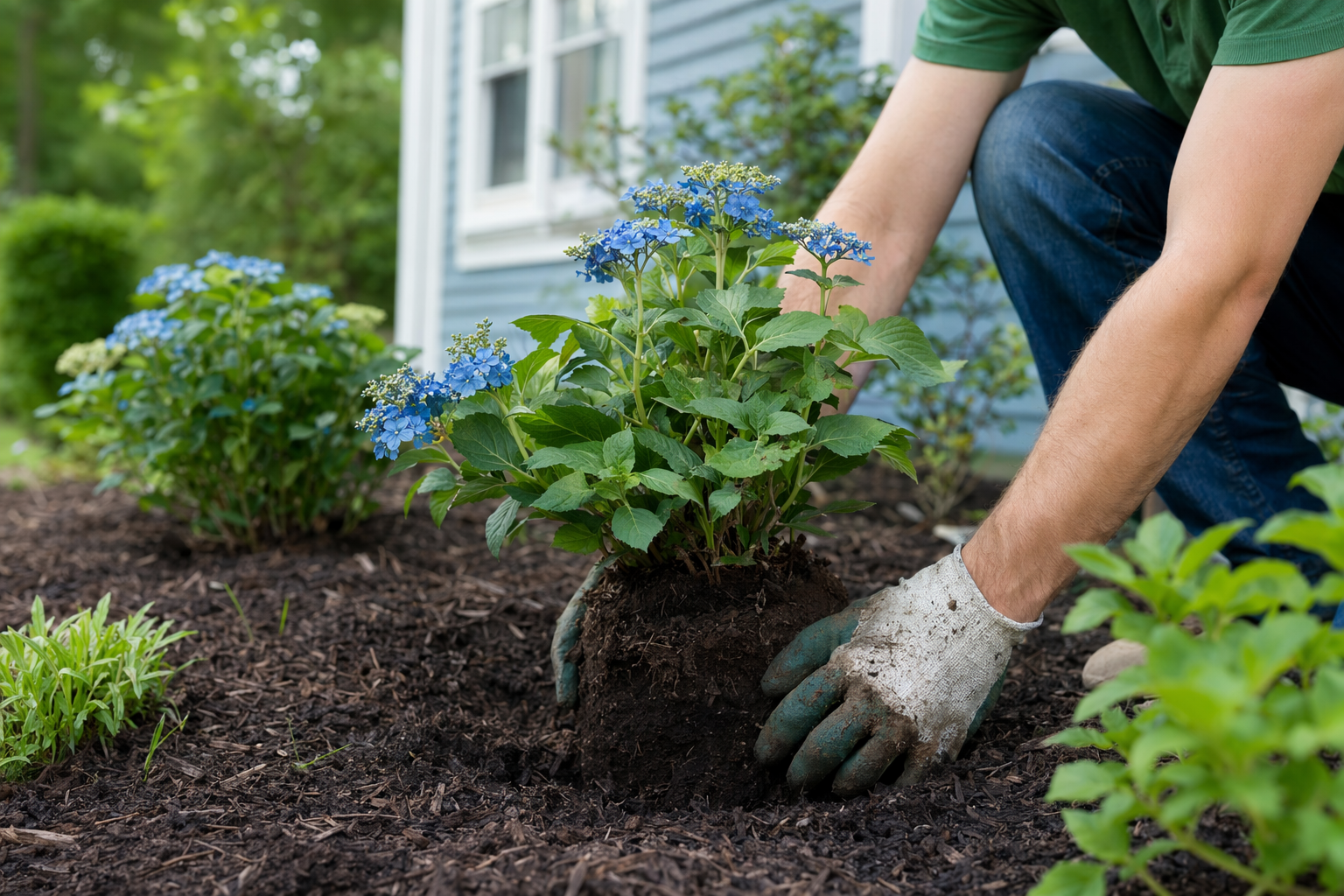
Start with your yard conditions (before you pick plants)
It’s tempting to shop by color first, but plants usually succeed or struggle based on your site conditions. Before you choose specific plants, look closely at your yard throughout the day.
Take note of sunlight: full sun usually means 6+ hours of direct light, partial sun means a few hours, and shade can mean most of the day has limited direct light. Then consider water: do some areas stay soggy after rain, or do others dry out fast?
Soil matters too. If you’re not sure about your soil type, a local landscape pro can help you understand what you have. In many areas, you can also ask your local extension office or garden center for region-specific guidance. (Climate and soil vary a lot across the US.)
Finally, think about space and access. Measure planting areas and check how close plants will be to sidewalks, fences, windows, and utility lines. This can affect plant choice and whether you’ll need to plan for future growth.
- Tip: Watch one “typical” sunny day and write down where the sun hits and where it doesn’t.
- Tip: If water pools after rain, that’s a clue you may need a plan for drainage—not just new plants.

Pick plants that match your hardiness zone and local climate
Most plant tags mention a hardiness zone, which is a rough climate map used across the US. Your zone helps you narrow options for cold and heat tolerance, but it’s not the only factor. Microclimates—like a warm wall, windy corner, or low spot—can change how a plant performs.
When you’re comparing plants, also check for heat tolerance, humidity needs, and “sun vs. shade” preferences. Some plants handle sun well but struggle in summer humidity. Others love shade but hate wet feet (standing water).
If you have heavy clay soil, sandy soil, or frequent drought, your plant choices may need adjustment. A local landscape design-build pro can often suggest better matches for your region and maintenance style.
If you want a simple approach: choose plants that are known to do well in your zone, then confirm the tag’s sunlight and watering needs fit your yard.
Understand maintenance: choose a “right-sized” plant plan
Plant maintenance is more than watering. It can include pruning, seasonal cleanup, mulching, fertilizing (sometimes), and weed control. If you pick high-maintenance plants for a low-maintenance lifestyle, you may end up frustrated.
Before you buy, decide what you’re willing to do. For example, do you enjoy pruning, or do you prefer plants that mostly keep their shape with minimal trimming? Are you able to water on a regular schedule during hot months?
A good way to balance beauty and effort is to mix plant types:
• Trees and shrubs for structure
• Perennials (returning plants) for color
• Groundcovers for weed control
• Grasses or native plants for natural looks
Also consider growth size at maturity. Many “small” plants grow wider over time. Plan spacing so plants don’t crowd each other and so air can move around leaves (this can help reduce disease risk).
- Tip: Look for plants labeled for “mature size” and plan for that width and height—not the tag size.
Learn the basics: softscape vs. hardscape and why it changes plant choices
When landscape people talk about softscape and hardscape, they mean different things. Softscape refers to living elements like plants and lawn. Hardscape refers to built items like patios, walkways, retaining walls, edging, and fences.
Hardscape affects where plants will thrive. A south-facing wall can increase heat. Sprinklers and drip irrigation can wet one zone more than another. Pavers can change how water flows across the surface.
Also think about root space. Some trees and shrubs can grow extensive roots that may interfere with sidewalks, drains, or nearby structures if planted too close. If you’re unsure, ask a landscape pro to help you choose plants that fit the available space.
If your yard plan includes paths or beds, it helps to think about the whole layout together: plant heights, sight lines, and how people will move through the space.
Ask the right questions at the garden store or with a landscape pro
When you’re shopping, the best labels and advice are the ones that connect plant needs to your yard. Ask questions like: “What sunlight does this plant need here?” and “How much space will it need at maturity?”
You can also ask about watering setup. Drip irrigation (slow watering through tubing and emitters) often helps deliver water directly to plant roots with less waste than overhead sprinklers. But the best watering plan depends on your yard layout and local water rules.
If you’re building or redesigning, you may hear “design-build.” Design-build is when one team handles both the design and the build process. For homeowners, it can be helpful because the plant plan, layout, and installation approach are coordinated.
If you want to work with a pro, use a free way to get matched and find a landscape design-build pro near you through Get matched. You can also explore Services and browse practical planning ideas in Guides.
- Always confirm the design, scope, and price in writing before any work starts.
Honest cost notes: what can affect your plant and install budget
Plant costs can vary widely based on size (small vs. “starter” vs. larger specimens), number of plants, and whether you’re adding soil amendments and mulch. Install work can also change costs depending on access, bed prep, and the level of landscaping labor.
If you’re comparing options, ask what’s included in the quote or written plan. For example: Are soil amendments included? Is mulch included? Will irrigation be added or adjusted? Are removal and disposal included if you’re replacing old plants?
Avoid surprises by planning for the full “system,” not just plants. Good planting often includes proper spacing, soil preparation, and a watering approach for the first season.
If you want a starting point, review common budgeting topics in Costs. And remember: no one can responsibly guarantee a price or timeline without seeing your yard details.
- If you’re hiring help, verify license + insurance yourself (don’t assume).
- Check local permits and utility-locates before digging.

Choose plants by your sunlight, soil, and climate first, then pick varieties that fit your maintenance level—use a free matching guide to find a landscape design-build pro, and always confirm scope, permits, and pricing in writing.