Quick answers
How long does a landscaping project take?
A landscaping project can take a few days, a few weeks, or longer, depending on the size of the yard and the kind of work. The fastest way to get a real answer is to compare the plan, materials, and crew availability for your specific project.
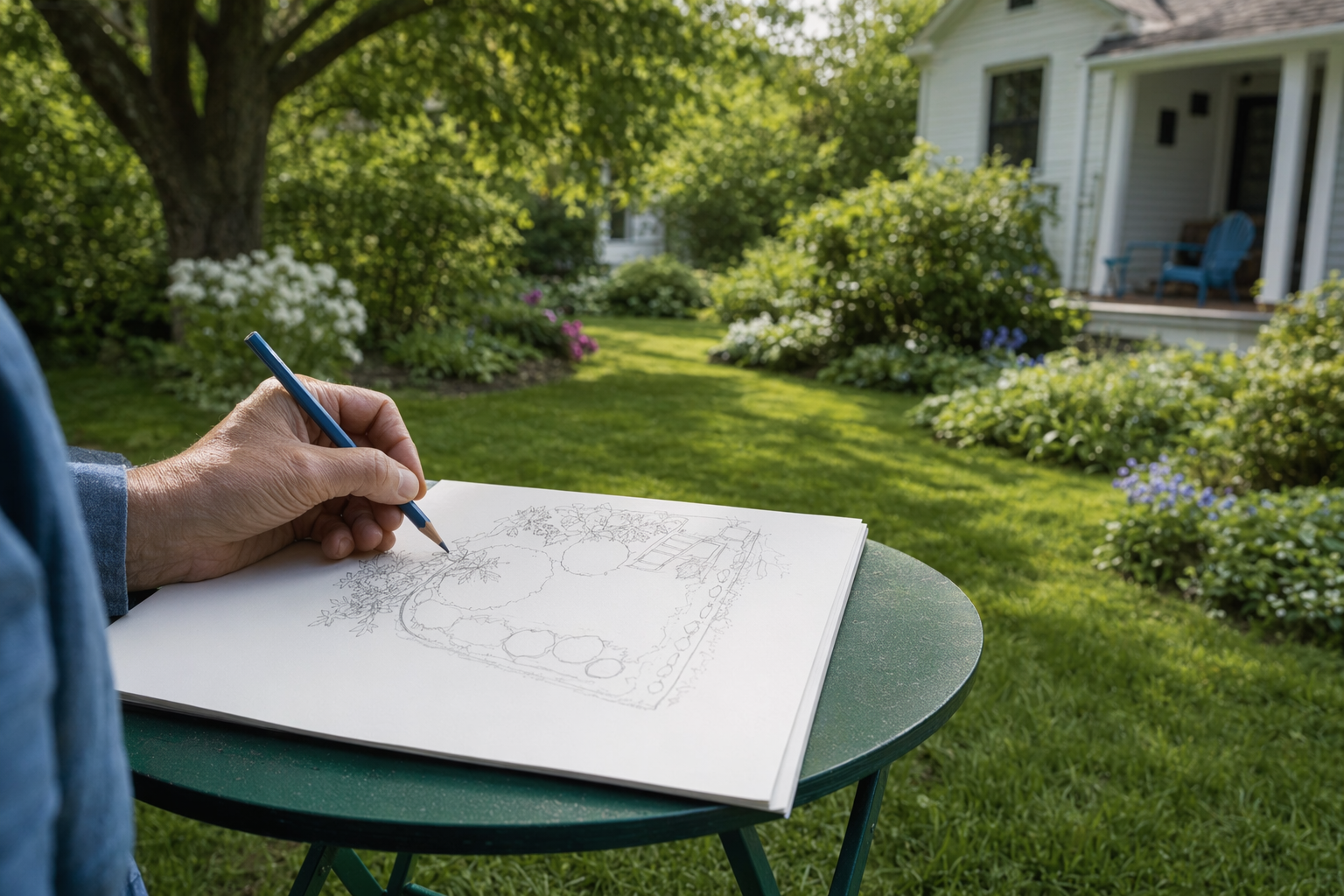
What changes the timeline
There is no one schedule that fits every yard. A simple planting refresh may move quickly, while a project with new patios, paths, lighting, irrigation, or major site prep usually takes more time.
Common factors include yard size, how easy it is to reach the space, the amount of demolition needed, the season, and local rules. In many areas, weather and permit review can add waiting time. Climate, soil, and city or county rules also vary by region.
If you are trying to compare options, it helps to separate the work into parts: design, materials ordering, permits, and construction. That makes it easier to see where time is being spent.

A simple way to think about the phases
Many projects move through four steps: first, the design and scope are defined; second, materials are selected and ordered; third, any permits or utility-locate checks are handled; and fourth, the work is built on site.
Design-build means one company handles both the design and the construction. That can make coordination simpler, but the schedule still depends on the yard and the work involved. Hardscape means built features like patios, retaining walls, and walkways. Softscape means living parts like grass, shrubs, and trees.
For small jobs, the design and build steps may be close together. For larger jobs, there may be more time between them while plans are reviewed and materials are confirmed.
Typical project types, in plain terms
A basic planting or mulch refresh is usually simpler than a full yard rebuild. Projects that involve hardscape, drainage changes, grading, or irrigation almost always take more planning. Grading means shaping the ground so water moves in the right direction. Drainage is the way water leaves the yard.
If your project needs stamped drawings, HOA approval, city permits, or utility-locate checks, expect extra time before construction starts. Utility-locate means marking underground lines before digging.
For a better estimate, ask a pro how long each phase will take, not just the whole project. That gives you a clearer picture of what to expect.
How to get a more accurate timeline
When you speak with a landscape pro, share photos, yard measurements if you have them, and what you want to change. Be clear about what is most important: low maintenance, shade, privacy, drainage, outdoor cooking, play space, or curb appeal.
Ask these questions:
- What work is included in the design and build?
- What parts need permits or utility-locate checks?
- What items may need to be ordered ahead of time?
- What could slow the job down once it starts?
- What is the expected start window, not just the work length?
It is also smart to verify license and insurance yourself, check local permits, and confirm the design, scope, and price in writing before work starts.
Need help finding the right pro
Verdorra is a free service that helps you find a landscape design-build pro and compare next steps for your yard. We do not do the work ourselves, and we do not give engineering, drainage, or legal advice.
If you want help getting organized before you talk to pros, start with Help, review Services, or Get matched to connect with a landscape pro. You can also look at Costs to understand what can affect the budget and schedule.

Landscaping timelines vary a lot, so ask what is included, what could delay the job, and get the plan and price in writing before work starts.