Garden guides
The Plant & Watering Starter Guide
Get a simple plan for picking plants and setting up watering that fits your yard and your schedule. Verdorra is free and helps you find a landscape design-build pro—without giving guarantees.
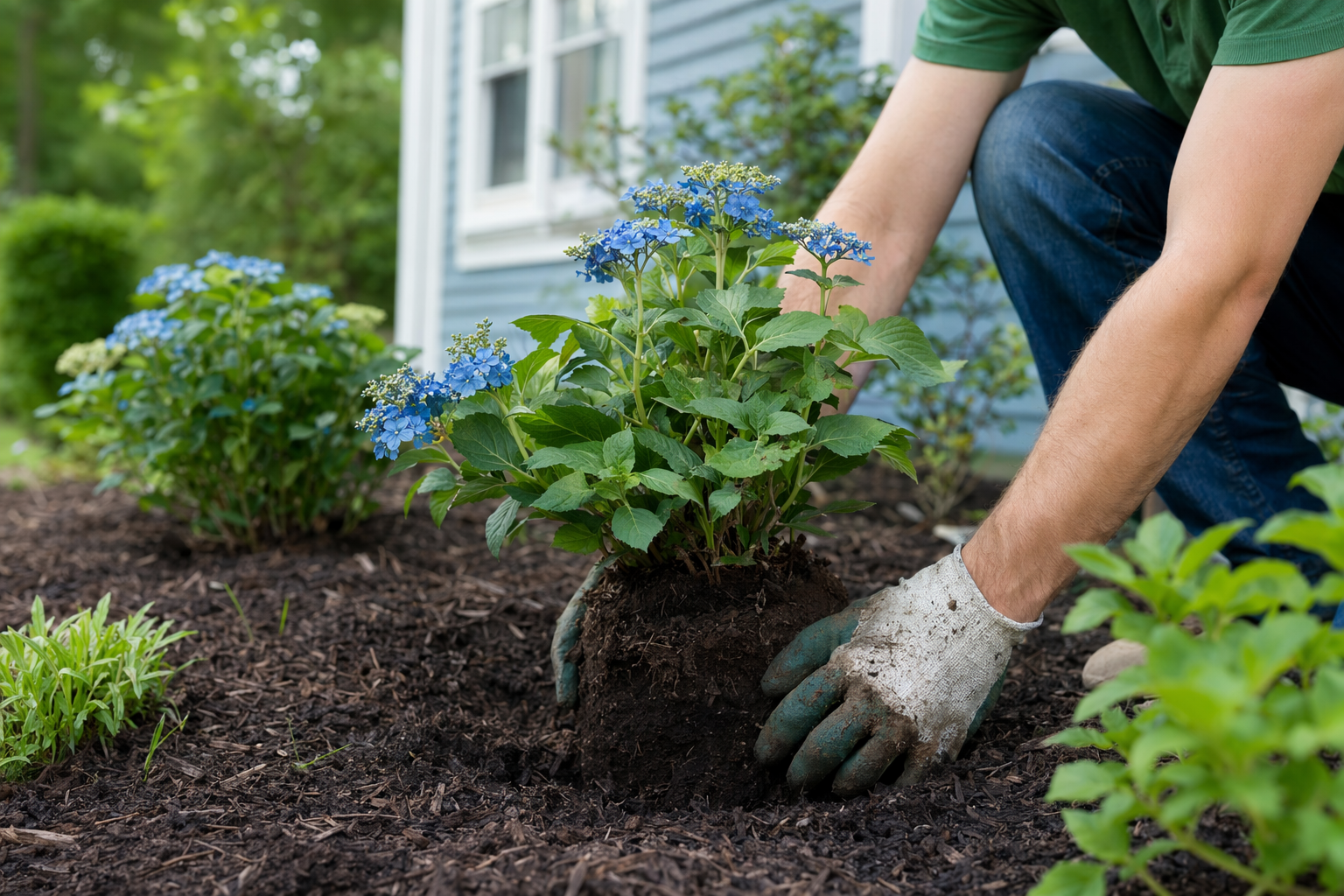
Start with the basics: your yard’s conditions
Before you choose plants, take a quick look at what your yard can support. Sun matters (full sun, part sun, shade). So does how water moves and where it collects after rain.
Walk your property and note a few things: where the sun is strongest in the morning and afternoon, where the ground stays damp, and where water runs off toward a driveway, walkway, or fence line. These observations help you talk clearly with a landscape pro later.
If you’re not sure about soil type or drainage (how water flows into the ground), use plain language with pros: “Where will water go after watering or a storm?” and “How can we avoid standing water near the house?”

Planting 101: match plants to the right spot
Think of plant selection as “right plant for the right place.” A plant that loves shade won’t thrive in hot, bright afternoon sun. Likewise, plants that need steady moisture may struggle in areas that dry out quickly.
When you’re planning, group plants by function. Do you want privacy, seasonal color, a low-maintenance border, or a simple foundation area near the home? This is helpful because it guides the mix of shrubs, grasses, groundcovers, and flowers.
New homeowners often start with easier wins: native plants (plants that are common in your region), layered planting (taller plants in back, smaller in front), and selecting fewer, stronger plants instead of many different types.
Watering essentials: how to water without wasting water
Most watering problems come from timing and coverage, not effort. In general, it’s better to water deeply and less often than to sprinkle lightly every day. Deep watering encourages roots to grow downward.
A simple way to plan watering is to separate your yard into “watering zones.” A zone is an area that gets watered together because it has similar sunlight and soil conditions. For example: a sunny front bed, a shaded side yard, and a lawn area.
If you’re considering irrigation, learn the terms first:
• Drip irrigation delivers water slowly at or near the plant roots.
• Sprinkler irrigation sprays water over a wider area.
A landscape pro can help you choose the right system for each zone. You should still review the plan and make sure you understand what will be installed and where water will flow.
Hardscape vs. softscape: plan around it
When you imagine a yard update, it helps to separate two categories. Hardscape includes non-living features like patios, walkways, retaining walls, and edging. Softscape includes living plants and turf.
Why this matters for watering: hardscape can change where water lands and where it runs. For example, water may pool in a low area near a driveway or bounce away from a planting bed next to a wall.
Use this question with a pro: “How will the watering system avoid wetting the wrong surfaces, like the house foundation, sidewalks, or steps?”
How to talk to a landscape pro about plants and irrigation
Verdorra is not a landscaper and we don’t build your yard. We help you find and connect with a landscape design-build pro who can discuss plant and watering options for your region.
Before you request help, gather a few details so your conversation stays productive:
• Your zip code and a photo of the yard from the front, side, and backyard
• Which areas get full sun, part sun, or shade
• Any existing irrigation you have (sprinklers, hose timer, or drip) and whether it works well
• Your goals (for example, less manual watering, fewer weeds, or more color)
When you get a conversation going, ask for the design and the practical “how it works.” Even if you expect irrigation, you should still confirm the plan includes watering zones and clear maintenance steps.
To start, you can browse our tools and guides: Plant & watering tools, explore yard planning guides, and see how matching works at get-matched. If you’re curious about budgeting conversations, you can also review general ideas at costs.
Checklist before any work starts (protect your money and your yard)
You’ll feel more confident when everything is clear in writing. Ask any pro you speak with to confirm the design scope and the watering plan. Also confirm any work that could affect utilities or permits.
Here’s a practical checklist:
• Verify license + insurance yourself before scheduling work
• Check local permits and any neighborhood rules (rules vary by city and state)
• If you’ll dig or install lines, confirm utility-locates are handled (so you don’t damage buried lines)
• Get the design/scope and price in writing before work begins
• Review the watering zones and controls (what runs, when, and how you adjust it)
And remember: no one can guarantee plant survival. Climate, soil, sun exposure, and homeowner care all affect outcomes. Your best protection is a plan you understand and a scope you can review.

Use this starter guide to plan where your plants will go and how you’ll water them, then we help you connect with a landscape pro to review your plan with you.