Quick answers
Fixing a backyard that flooded every spring
Here’s an anonymized example of how a homeowner worked with a landscape design-build pro to address seasonal flooding—step by step, with realistic notes on what drove cost and timeline. Verdorra helps you find the right pro.
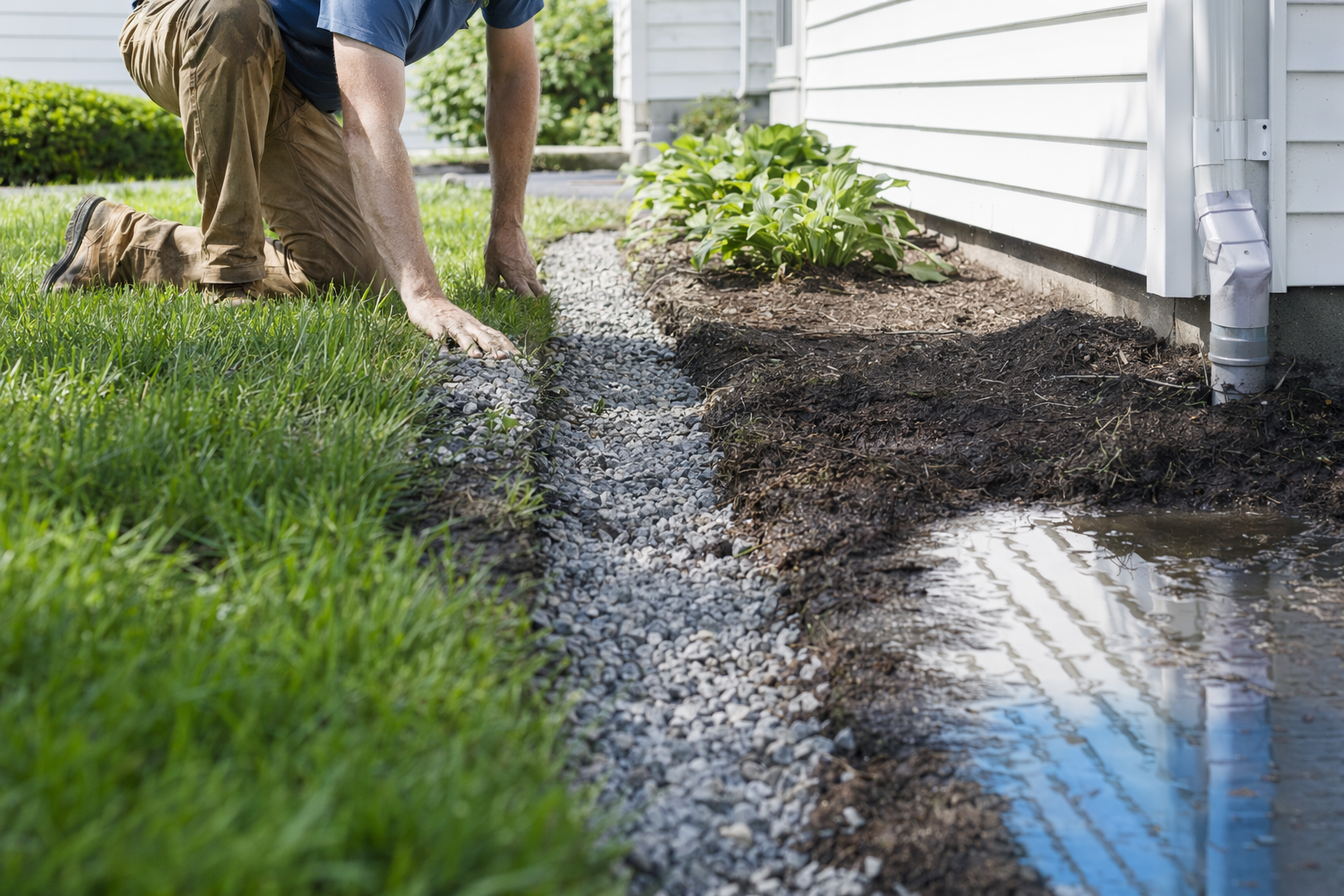
The problem: a backyard that flooded every spring
In this anonymized case, the homeowner noticed that after melting snow and spring rains, water would collect in the backyard and spread toward the house. The problem wasn’t a small puddle that dried quickly—it lingered for days and made the yard hard to use.
They wanted a plan that addressed the cause, not just the surface symptoms. They also needed clear next steps they could understand (and explain to family members who were more comfortable in another language).
Verdorra helped them connect with a qualified landscape design-build pro to talk through drainage and yard layout options get-matched—with the goal of improving how water moves across the property.

Step 1: a site walk and questions that changed the direction
The first pro visit focused on patterns and observations. Instead of guessing, the pro looked for clues like where water first appeared, how it traveled, and which areas stayed wet the longest.
They discussed common terms the homeowner was hearing—like “grading” (how the land is shaped to guide water), and “drainage” (the system that collects and moves water). The pro also asked about downspouts, existing gutters, roof runoff, and whether any areas were compacted (for example, from frequent foot traffic or construction).
This step mattered because two yards can both “flood,” but the cause can be different. The homeowner learned that a good drainage plan starts with understanding the specific flow path on their lot.
Step 2: mapping drainage and deciding what to fix first
Next, the pro developed a plan for where water needed to go and what would be changed to make that happen. In many spring-flooding cases, the solution is not one single feature. It’s usually a combination of grading adjustments and water-handling improvements.
The plan included changes to how the ground surface sloped (grading) so water would move away from trouble areas. In general, grading is designed to send stormwater toward planned collection points rather than letting it spread across low spots.
The homeowner also reviewed options for moving water, which can include surface solutions (like directing runoff to a controlled area) and subsurface solutions (like components that capture water underground). The pro explained tradeoffs in plain terms and helped the homeowner prioritize the most practical fixes for their property.
Step 3: design-build coordination and a clear scope
Because this was a design-build approach, the same team coordinated design decisions with build details—helpful when you’re trying to avoid surprises during construction. “Design-build” means the pro handles both planning and building as a single coordinated project.
The homeowner received a written scope showing what was included, what was excluded, and how the work would be staged. This included what parts were meant to improve grading and drainage, and what “hardscape” vs. “softscape” components were involved.
- Hardscape: non-living features like patios, walkways, edging, and retaining elements.
- Softscape: living features like lawn, shrubs, and groundcovers.
They also talked through practical access questions—where equipment could be parked, how materials would be delivered, and whether any utilities needed to be located before excavation.
Step 4: permits, utility-locates, and safety checks
Before any ground work, the homeowner was encouraged to handle the right local steps. Laws and rules vary by city and county, but common requirements include permits and utility-locates (marking underground lines before digging).
The pro also helped the homeowner understand that drainage changes can affect neighbors and may trigger permitting or reviews. The homeowner was clear that they would verify requirements in their area and confirm what the pro would cover.
Verdorra’s general guidance to homeowners is simple: verify the landscape pro is properly licensed and insured, check local permits, and confirm utility-locates before work starts. Always ask for the final design, scope, and price in writing before construction begins.
About cost and timeline: realistic factors, not promises
In this case, the homeowner asked for honest cost notes. The pro explained that prices and timelines depend on things like yard size, soil conditions, where water needs to be directed, excavation depth, and how much existing landscaping must be removed and replaced.
They discussed that “drainage” work can involve both visible changes (like regrading and surface redirection) and less visible components (like subsurface water capture). Subsurface options may require more excavation and careful planning.
The homeowner also learned to avoid guarantees. Landscaping and drainage outcomes can’t be promised because weather, soil behavior, and future conditions vary. Instead of guarantees, the homeowner focused on getting a complete scope, clear communication, and a plan that matched what they observed during the flooding season.
Step 5: build details, inspections, and a punch list
During construction, the homeowner paid attention to quality-of-work steps that reduce the chance of rework later. For example, grading changes should be consistent and created with the intended direction of flow in mind. If materials are used to guide runoff or protect edges, they should be installed correctly and securely.
After installation, the pro reviewed the project and completed a “punch list.” A punch list is a short list of items to fix before the project is fully considered complete—like touch-ups, alignment adjustments, or anything that doesn’t match the agreed plan.
If you’re planning a similar project, you can use this moment to ask: Does the finished work match the written scope? Are there any items still pending? Are there maintenance steps the homeowner should expect (for example, general care after planting or surface adjustments after settling)?
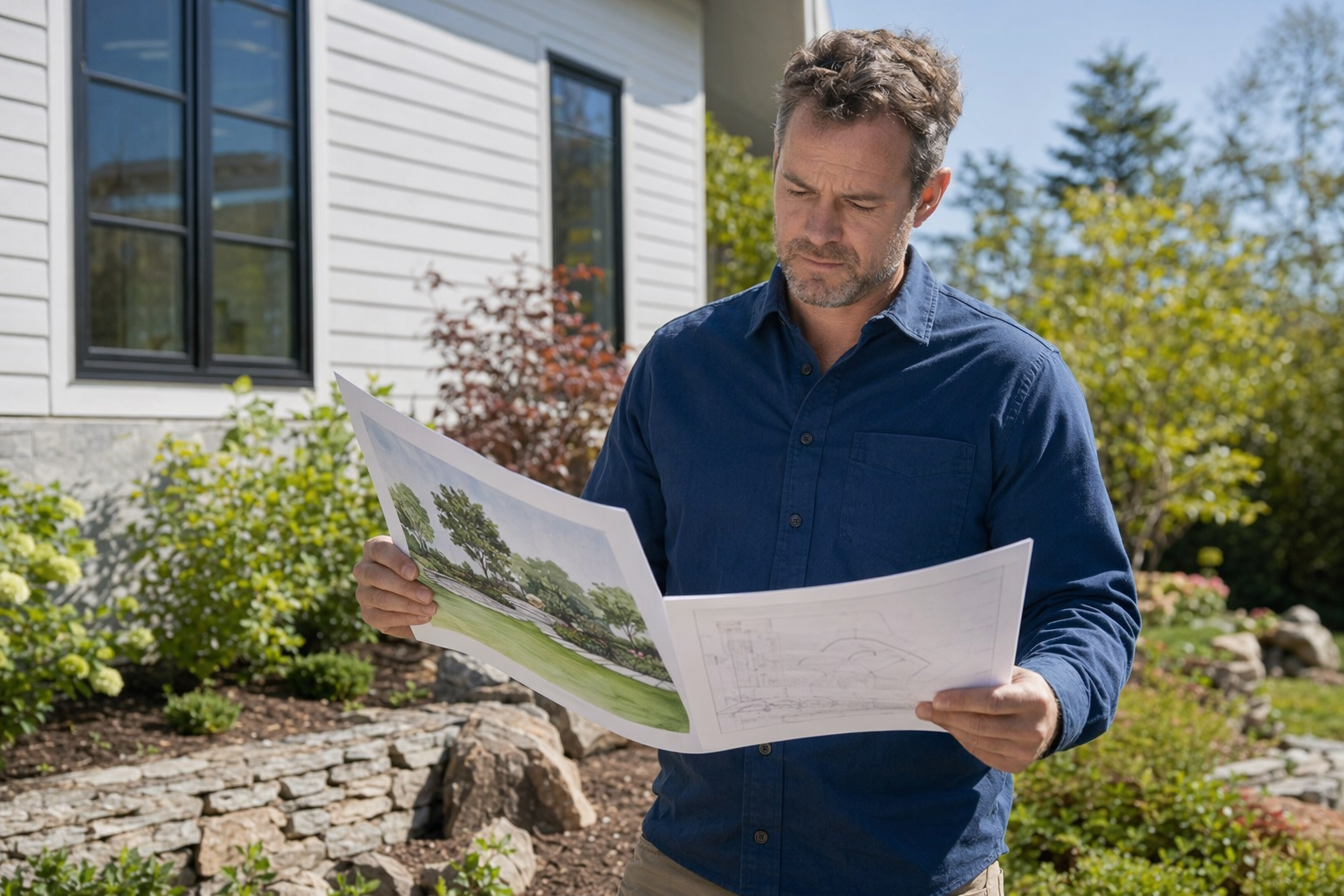
This anonymized case shows how a homeowner worked with a landscape design-build pro to address spring backyard flooding with a coordinated grading-and-drainage plan, emphasizing written scopes, permits, and realistic cost expectations—while Verdorra helps you find the right pro.