Quick answers
A low-water front yard on a tight budget
Here is an anonymized example of a homeowner who wanted a cleaner front yard, lower water use, and a plan that fit a tight budget. It shows how Verdorra helps you connect with a landscape pro and compare practical options before work starts.
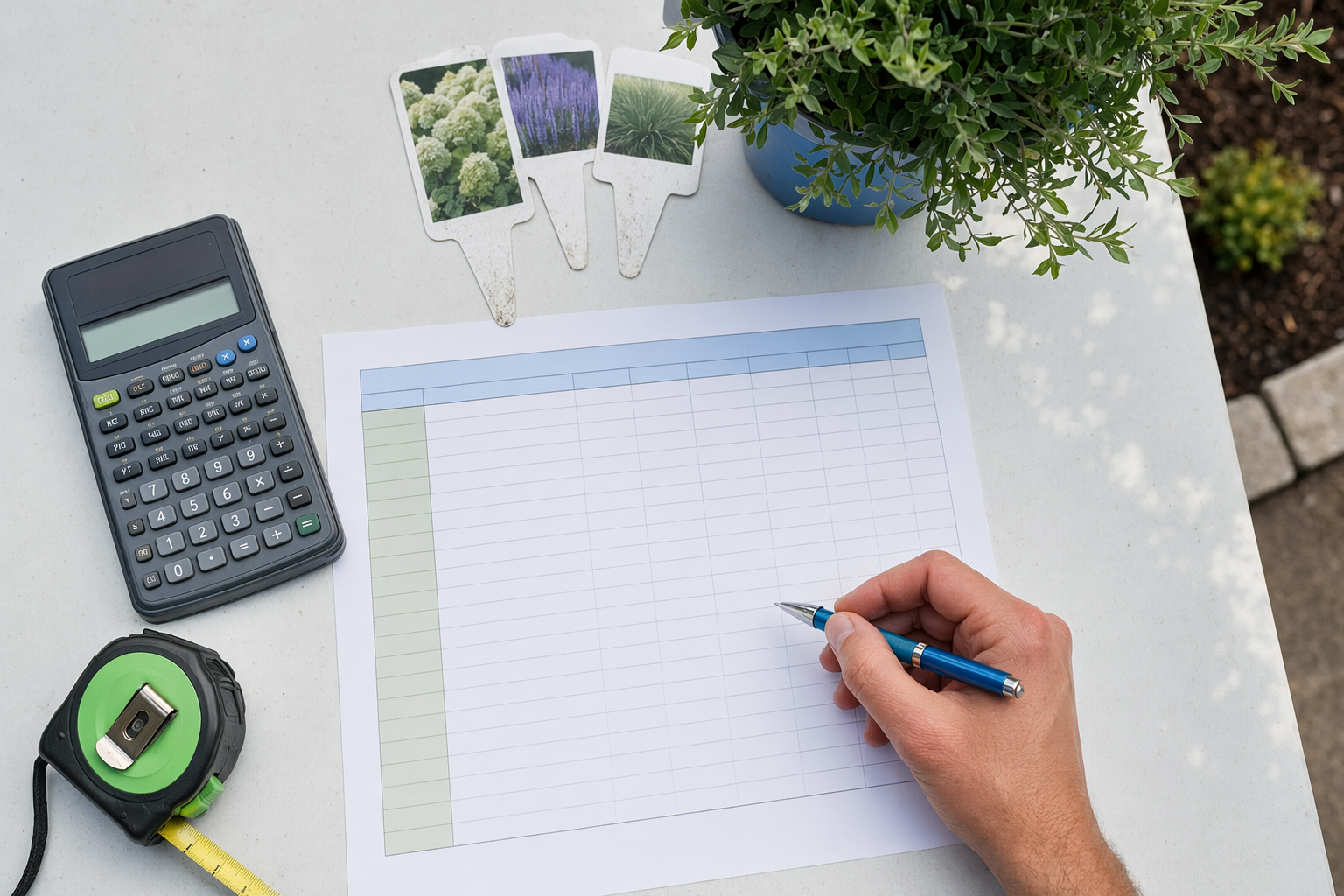
What the homeowner wanted
The homeowner had a front yard with patchy grass, a few thirsty plants, and a slope that made watering feel wasteful. They wanted a simpler look, less lawn, and a yard that would be easier to maintain in a hot, dry part of the U.S. Climate, soil, and local rules vary by region, so the first step was to look at the site, not just the style.
They also wanted to avoid a big, all-at-once project. That meant focusing on the highest-impact changes first: reduce turf, improve plant choices, and plan water use more carefully. In yard work, "turf" means lawn grass, and "low-water" means choosing plants and materials that usually need less irrigation once they are established.
- Wanted less lawn and fewer weekly chores
- Wanted a clean front-yard look without starting a major rebuild
- Wanted ideas that could be done in phases if needed
How Verdorra helped them get started
The homeowner used get matched to connect with a landscape design-build pro. A design-build pro is a company that helps with both the design and the installation plan, which can make it easier to keep one clear scope of work. Verdorra is not a landscaper and does not do the work itself. We help you find a pro and understand your options.
The first conversation focused on the basics: sun, shade, slope, soil, water access, and how the front yard was actually used. The pro then sketched a few general paths forward, such as replacing part of the lawn with native plants, adding mulch, and simplifying the edge lines. Native plants are plants that naturally grow in a region and are often a good fit for local conditions, though they still need the right care while getting established.
- Start with site conditions, not photos alone
- Ask for a simple concept before asking for a full build
- Use [services](/services/) to understand the kinds of help a pro may offer
The plan they chose
The final plan was simple on purpose. It kept a small lawn area near the entry, removed the rest of the front-yard turf, and replaced it with drought-tolerant planting areas and mulch. Hardscape means the non-living parts of a yard, like paths or edging. Softscape means the living parts, like plants, trees, and grass. In this case, the design used only a small amount of hardscape so the budget could stay focused on the plant side.
The homeowner also asked about watering. The pro explained that drip irrigation, a low-flow watering system that sends water near plant roots, could help with efficiency in planted areas. They also talked about grading and drainage in plain language. Grading means shaping the ground so water moves the right way. Drainage means where water goes after rain or watering. Because those issues can affect the yard and the home, the homeowner was told to verify local requirements and check whether any permits were needed before work began.
- Keep the design simple to control cost
- Use plant beds and mulch to reduce bare soil
- Review grading, drainage, and irrigation before installation
Cost notes and what changed the price
The homeowner did not get a single fixed price from Verdorra, because we do not quote work. Costs for a yard like this can vary a lot based on yard size, plant selection, access for tools or trucks, soil condition, season, and local labor rates. A tight budget often means choosing the most visible and useful changes first, then doing the rest later if needed.
In this example, the biggest cost drivers were removing existing turf, preparing the soil, and installing a simple irrigation update. The homeowner saved money by keeping the layout straightforward and by avoiding heavy construction. They also asked the pro to separate the work into clear line items so they could see what was included and what could wait.
- Removing lawn can cost more than people expect
- Simple layouts often cost less than complex curves or built-ins
- Ask for options: must-have items first, nice-to-have items later
What the homeowner did before signing
Before any work started, the homeowner checked the pro's license and insurance, asked about local permits, and confirmed utility-locate steps. Utility-locate means marking underground lines before digging so crews know where not to cut or trench. They also asked for the design, scope, materials, and price in writing. That made it easier to compare bids and avoid confusion later.
They made one more important step: they asked for a simple punch list. A punch list is a short list of items that still need to be finished or corrected near the end of a project. That gave them a way to walk the yard, ask questions, and make sure the final result matched the agreed plan as closely as possible.
- Verify license and insurance yourself
- Check permits and call for utility-locates before digging
- Get the full scope in writing, including any punch-list items
What this example can teach other homeowners
A small, low-water front yard project does not need to start with a huge design package. It helps to begin with a clear goal, a realistic budget, and one pro who can explain the tradeoffs in plain words. For many homeowners, that first step is the hardest part, especially if English is not the language they use most comfortably.
Verdorra is here to make that first step simpler. Browse more real examples in stories, or use get matched to connect with a landscape pro who can help you think through your yard, your climate, and your next move.
- Start small and focus on the biggest needs first
- Ask for simple, written comparisons before deciding
- Choose plants and materials that fit your region, not just the photo
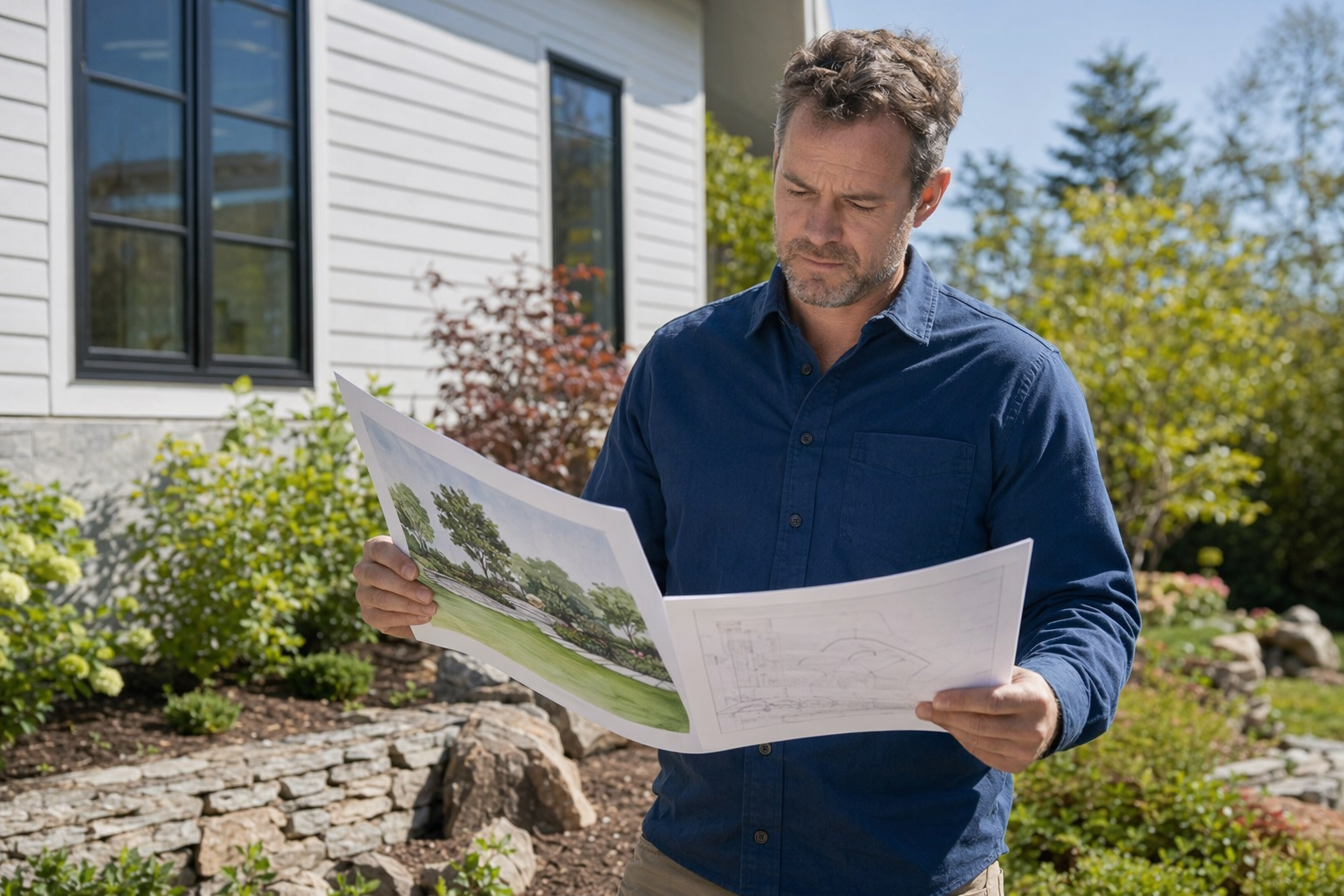
This story shows how a homeowner used a simple plan and a landscape pro connection to turn a thirsty front yard into a lower-water yard without guessing.